
Water Cremation – a new funeral choice
For the first time in over a century, a new funeral option will be offered in the UK.
Last week, following a consultation which showed overwhelming support for the plan, the Scottish Government announced the introduction of water cremation.
The process, hydrolysis, uses water and an alkaline solution such as potassium hydroxide, along with heat and pressure, to accelerate the body’s natural decomposition process. Unlike traditional cremation, the process doesn’t require fossil fuels and no airborne pollutants are released into the atmosphere. Energy requirements are significantly lower, and CO² production is reduced by over 90%.
The method was originally patented in 1888 for repurposing animal bones into fertiliser, but its first application in the medical field was in the 1990s when it was used to provide a sterile, environmentally-safe method for handling remains from disease studies. Using a pressurised stainless steel vessel, tissue could be broken down using water and potassium hydroxide, leaving behind a sterile liquid and clean, pathogen-free bone fragments, without risk of contamination or combustion. During the ‘mad cow disease’ epidemic, the technique was found to successfully neutralise prions, exceptionally resilient infectious proteins, consolidating it as a high-risk disposal method.
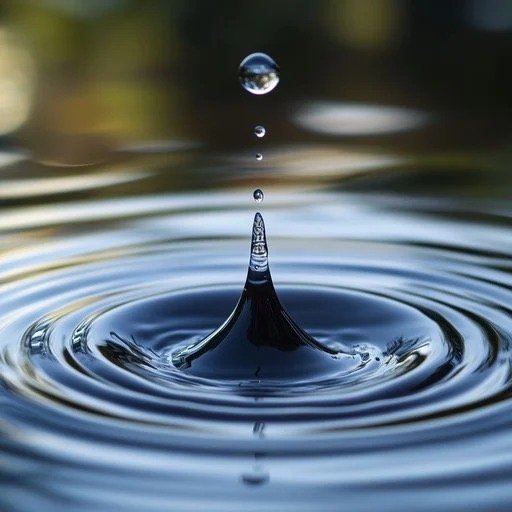
However, as society became more aware of the environmental impact of traditional funeral choices, water cremation began being explored as a tool for humans. The process required no land usage, no embalming chemicals, no hardwood caskets. In just a few hours, all that was left was a benign liquid containing amino acids, sugar, salts and peptides, which could be used in gardens or green spaces, and calcium phosphate, returned to loved ones as ashes.
Funeral choices have adapted over the ages to meet the changing needs of society, and the biggest threat our species faces now is ecological. At Grave Expectations, we are always excited to explore environmentally-conscious options for people who want to minimise their footprint, and we hope that by applying innovative scientific and technological processes to a very human issue, we may soon be able to offer another alternative to traditional burial or cremation which better serves our planet. Both the process and the byproducts are gentle, and the pure white ashes which are left behind provide ceremonial and memorial opportunities for family and friends.
We want to see this funeral option available across the UK, and are approaching our government to discuss its use outside Scotland, using data from Ireland, the US and Canada, where the process is already used. We’d love to know your thoughts – if water cremation was available locally, would it be something you’d consider?