
Human Composting
In our last blog https://graveexpectations.co.uk/blog/water-cremation we talked about the environmental benefits of water cremation, but there is another new, ecofriendly funeral choice gaining rapid endorsement. The two methods share common themes – they both significantly reduce CO² production compared to traditional funerals, they both take place in a specialised vessel, they both eliminate the use toxic embalming chemicals, and they both use natural compounds to break down bodies, leaving inert byproducts. So what is human composting, and what could it offer to the industry?
The process of human composting
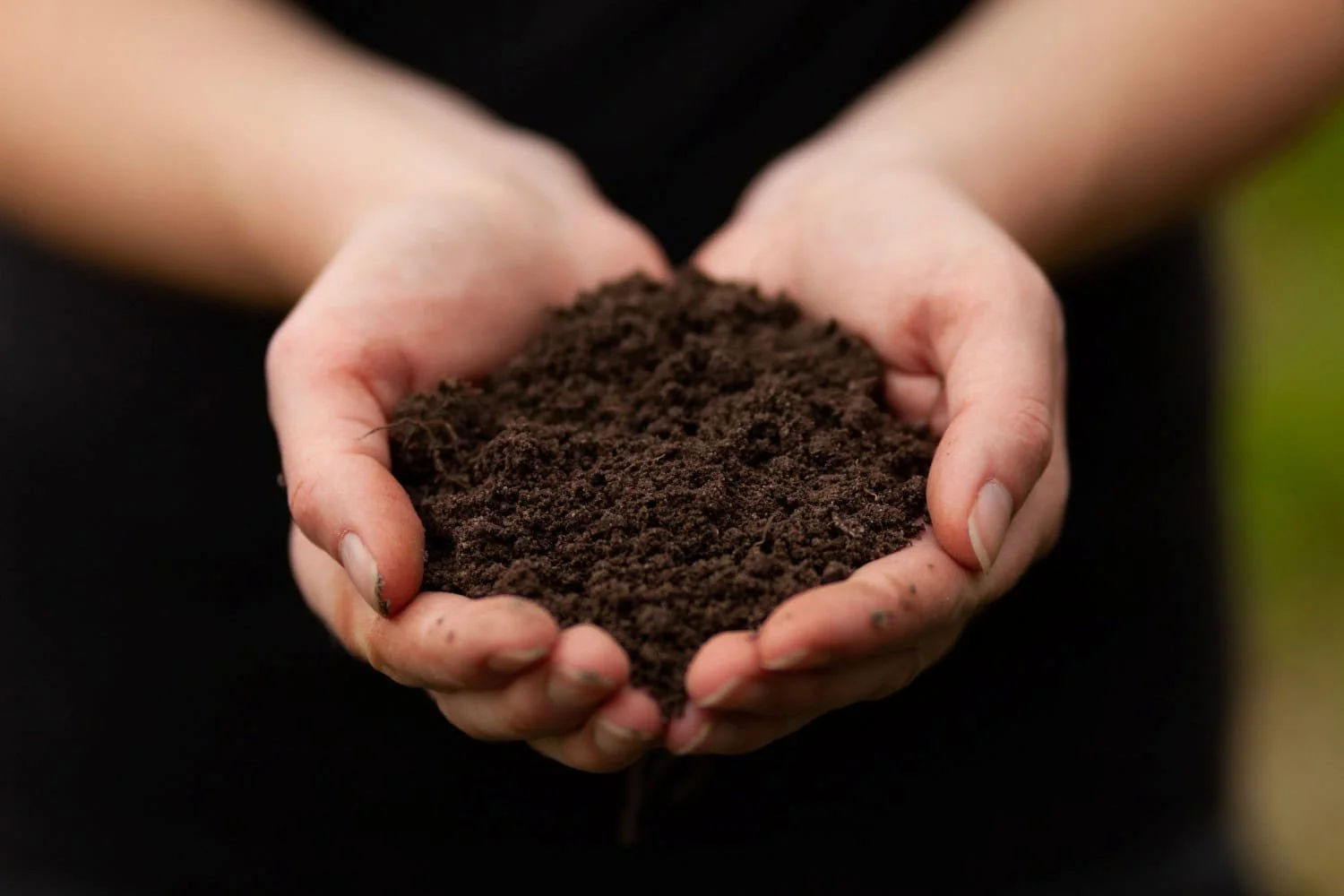
Human composting, also known as terramation, recomposition or natural organic reduction (NOR), uses microbes and organic matter to break down a body after death. Using a mixture of plant materials such as wood chips, straw, wildflowers and alfalfa, the vessel is heated and aerated to provide the ideal environment for microbial activity and decomposition. The aerobic process kills any pathogens and, after a few weeks, all that is left is nutrient-rich soil. This can then be used to nourish a memorial tree or garden, providing environmental benefits by enriching soil and improving water retention.
The availability of human composting
At present, human composting is only available in some US states. However, given that the first research into the process was only published in 2020, uptake of the method has been rapid, with fourteen states already having legalised the process and many more going through legislative processes to do so.
Sweden has developed its own method, known as promession, which freezes and vibrates a body to turn it into dust before allowing it to biodegrade naturally in the ground over several months. Other European countries, such as France and Germany, are carrying out their own research processes to consider the application of the method.
Human composting within the UK
Although the process is not yet available here, the Law Commission for England and Wales is currently considering new funerary methods, looking at the viability of both water cremation and human composting. Making an assessment of each method around factors such as the environmental impact, protection of public safety and the preservation of human dignity, consideration is being given to the regulatory framework required to deliver these new funeral choices to a reliably high standard.
One factor which may influence the outcome of this review is the difference between the two processes in terms of the risk they pose to disease transmission. Where water cremation was found to neutralise any traces of prions (exceptionally resilient infectious proteins linked to specific fatal diseases), this may not be the case in human composting. Further research may be required to understand the potential repercussions of this, and whether restrictions to the implementation of human composting will need to be in place before it can be offered here, to protect public health.
One thing is sure, though – the funeral industry is changing, and as natural burials grow in popularity, more sustainable options continue being developed. By using technological advances to harness natural decomposition processes, it seems increasingly likely that the future of deathcare will be green, and Grave Expectations welcome that change with open arms.